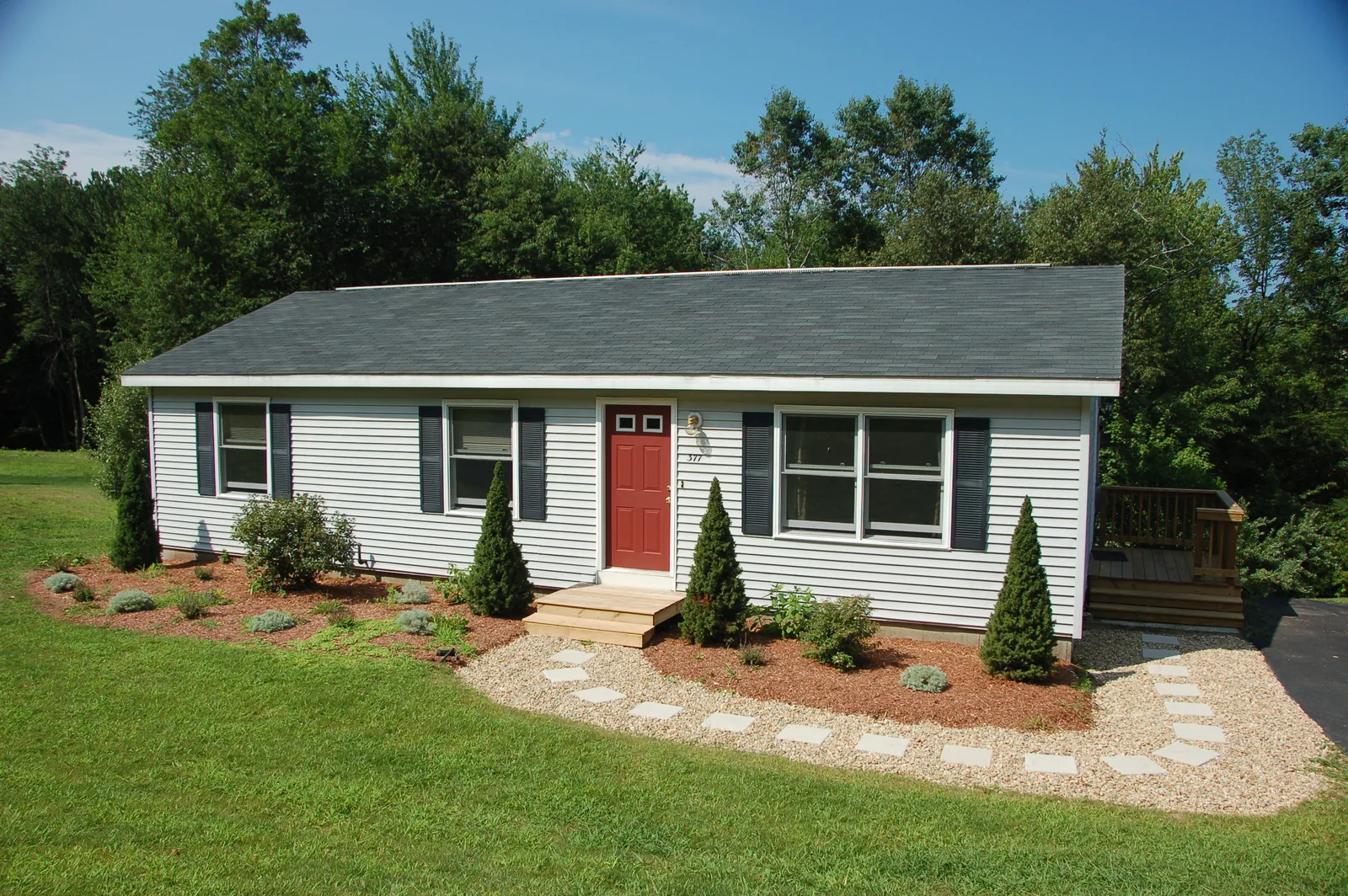
Roofing in Barker
Roofing help for the bungalows and postwar houses between 15th and 23rd Streets, starting with the covering and connections on your house today.
The house's history and the roof's history are different
Barker sits south of East Lawrence between 15th and 23rd Streets, running from New Hampshire Street east to the Burroughs Creek trail. The City's 2019 survey of its western part describes building booms in the 1920s and in the 1940s and 1950s. Craftsman bungalows were the most common style, with ranches and Minimal Traditional houses among the later construction. Those dates help explain the house form; records and inspection establish the present roof's history and condition.
Find out whether the current shingles were installed over an earlier covering or after tear-off. An added layer increases weight and can hide the support below, but it does not by itself prove that a repair is impossible. The material's compatibility and condition, its attachment and the deck around the defect matter. Accessible views may leave concealed questions that need further investigation.
What the 2019 survey found on Barker’s streets
The Phase I survey covered 326 properties on the neighborhood’s western edge. It dated 112 of them to the 1920s and 84 to the 1940s and 1950s, and it counted 109 Craftsman bungalows, 54 ranches, 33 Colonial Revivals and 33 Minimal Traditional houses among the styles. It also noted two local habits: 13 airplane bungalows with a small second-story wing rising out of the main roof, and a handful of houses built of concrete block.
The survey considered the potential for a historic district in 2019. It is a dated building study, not confirmation of today's designations or review requirements. Check the current City historic-resource maps and the property's status with Historic Resources staff, including any local context area or other overlay, before settling a roofing proposal.
- Properties surveyed326
- Built in the 1920s112
- Craftsman bungalows counted109
- Ranch houses counted54
Source: Barker Neighborhood Phase I survey (2019), prepared for the City of Lawrence. The survey covers the western part of the neighborhood only, and its counts describe houses, not roofs.
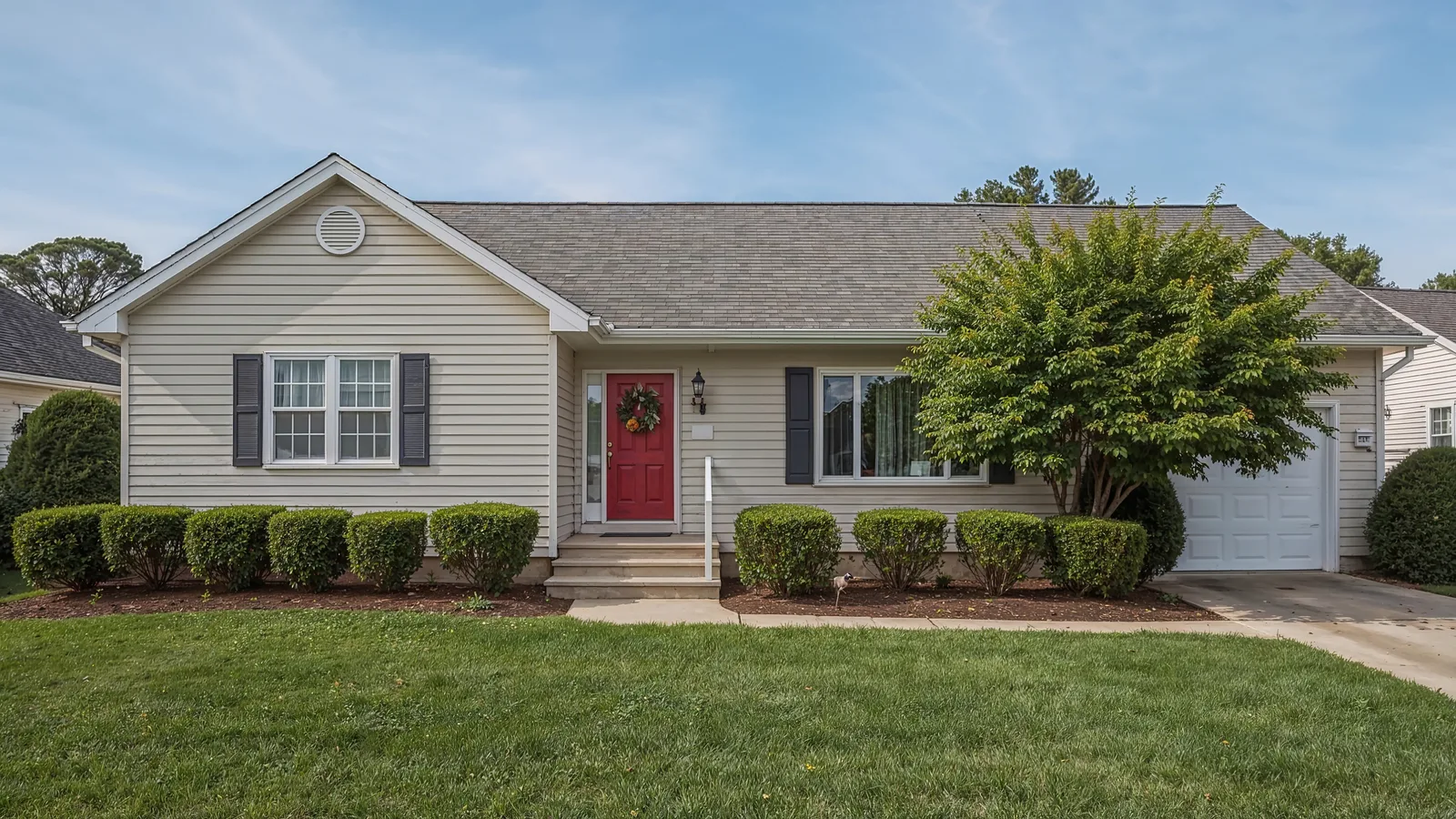
Low-pitched bungalow roofs and the wing on top
The surveyed Craftsman houses include low-pitched roofs, broad eaves and exposed rafter tails. Measure the actual pitch before choosing the covering and underlayment, and inspect the starter and eave drainage details. Damp or softened wood needs investigation, but the house style does not establish where deterioration starts or how much material must be replaced.
An airplane bungalow adds a second-story wing above the main roof. Where its walls meet the lower slope, roof flashing must connect with the wall's drainage layers. Check those junctions when investigating a leak or planning adjacent work, including whether later siding or roofing has changed the intended overlaps.
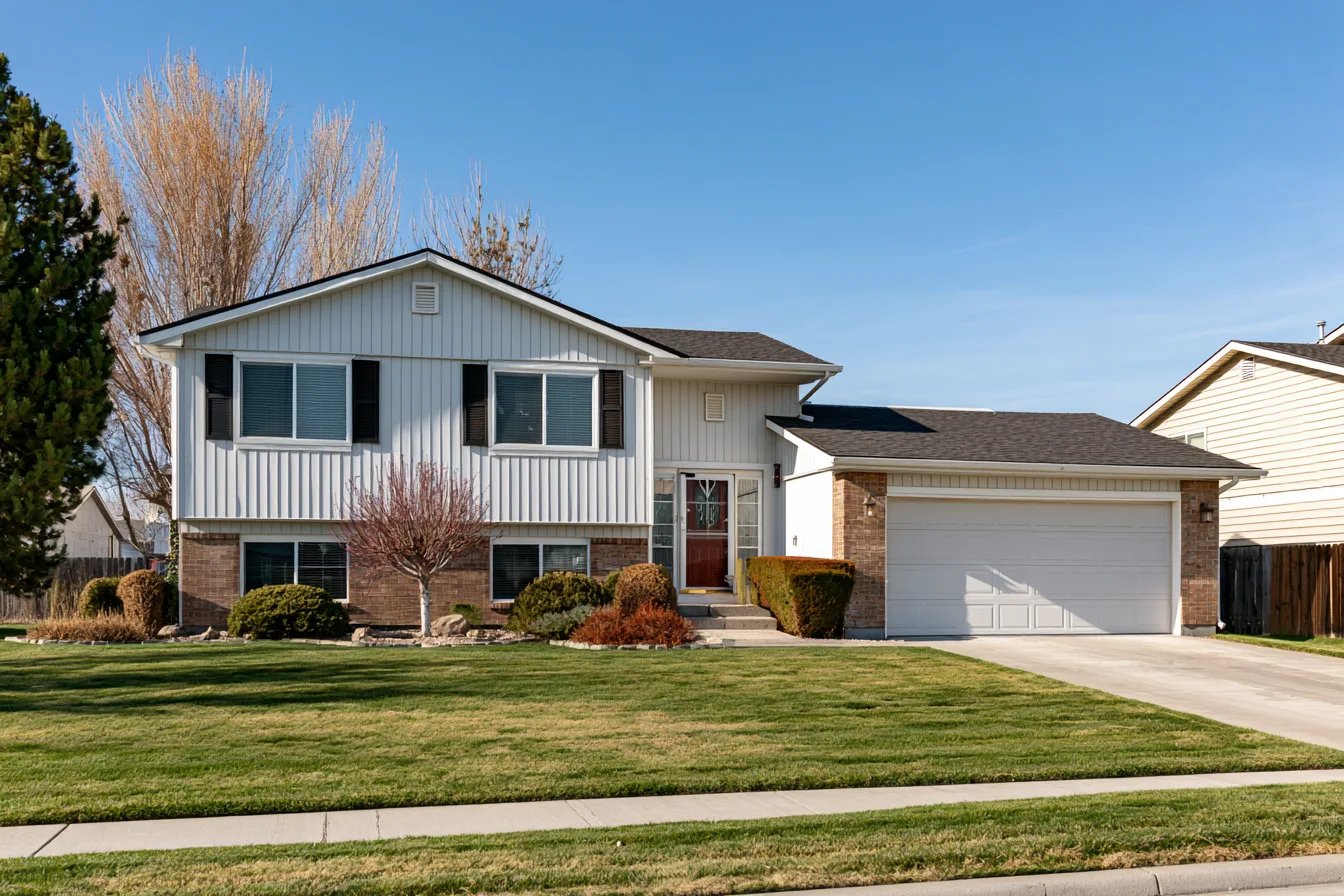
What to check by house type
House types come from the survey’s style counts. The condition of any one roof is a walked-inspection question.
Roof questions from Barker
Can a new roof go over the old one?
Sometimes a recover is permitted and technically suitable, but confirm existing layers, deck condition, load, material requirements and the applicable City rules first. Tear-off exposes the deck and allows damaged support to be addressed directly. Compare those scopes and how concealed deck repairs would be priced rather than treating an overlay as suitable for every older house.
Is the neighborhood a historic district now?
The 2019 survey explored that question, but it cannot establish current listing status. Check Lawrence's current historic-resource maps and confirm the address and proposed work with Historic Resources staff. An individual listing, local context area or other designation can matter even outside a neighborhood district. The permit guide keeps the current paths together.
The roof is fine but the gutters overflow. Worth a visit?
Yes. Blocked outlets, gutter slope, damaged connections or inadequate capacity can send water over an edge. Check the cause and any wet fascia, rafter tails or siding nearby. Repeated wetting can damage wood, but the inspection needs to establish the affected area rather than assuming overflow has spread beneath the entire roof.
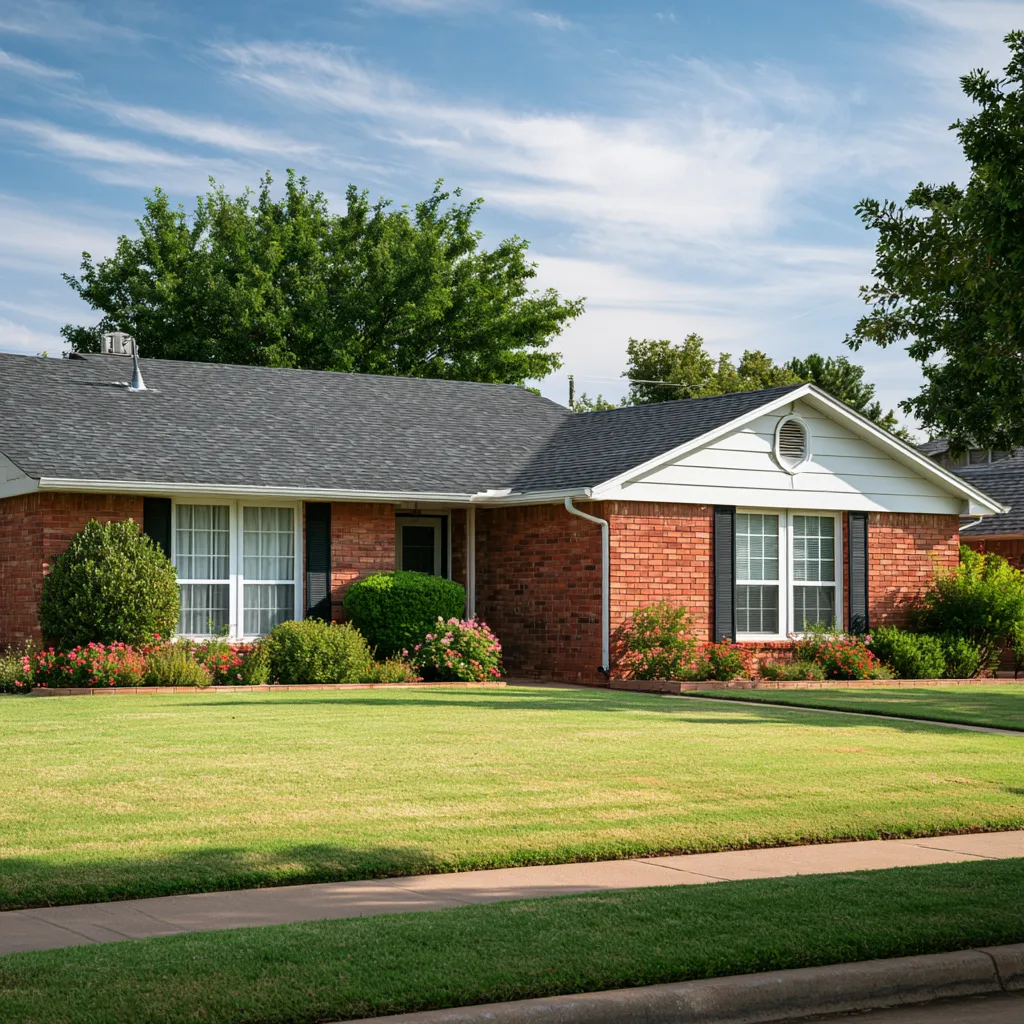
Start with your Barker roof
Tell us the street, what you have noticed and whether the roof has been done before as far as you know. A roofer walks it for free and tells you what it needs now and what can wait.