Roofing in Pinkney
Roofing help for the river-bend neighborhood north of 6th Street, where steep frame roofs have been patched, added onto and re-covered for a century or more.
When a Pinkney roof leaks, the house’s history matters
Pinkney runs from 6th Street north to the river and I-70 and west to Iowa Street, and its association describes it as one of the city's oldest neighborhoods. An older house may have a porch, dormer or later addition connected to its original roof. Establish which changes your house actually has, because each junction has to shed water into the next part of the assembly.
A valley between slopes, the flashing at a lower roof and wall, or a vent boot can explain a leak even when the surrounding shingles look intact. Inspect those details and the field covering, then trace the path to the interior stain. A local repair needs compatible material, sound support and a reliable connection to the neighboring roof; the neighborhood's age alone does not establish those conditions.
Two small historic districts inside a larger neighborhood
Two parts of Pinkney are on the National Register, both listed in 2004. Pinkney I sits roughly between W. 5th and 6th Streets from Tennessee toward Louisiana; its nomination counted 54 houses built from about 1860 to 1927, mostly frame folk houses and Folk Victorian cottages with simple gables, cross gables and hip-and-gable roofs. Pinkney II is a little more than one block of the 300 and 400 blocks of Indiana Street, with houses from about 1867 into the 1920s.
The association's roughly 1,700-household figure describes the wider neighborhood using 2010 Census data, not just the area outside the two districts. For current roof work, Lawrence's state review applies to State or National Register properties. Local Lawrence Register landmarks and districts have a separate review system and 250-foot context areas. Check the current City maps and proposed scope with Historic Resources staff rather than inferring review from the neighborhood name.
- Pinkney I Historic DistrictListed 2004
- Pinkney II Historic DistrictListed 2004
- Houses in the Pinkney I nomination54
- Households (association count)About 1,700
Sources: Pinkney I and Pinkney II listings, the City district map and the Pinkney Neighborhood Association. The household figure cites 2010 Census data. Counts describe the districts, not any roof.
Steep gables, cross gables and the valleys between them
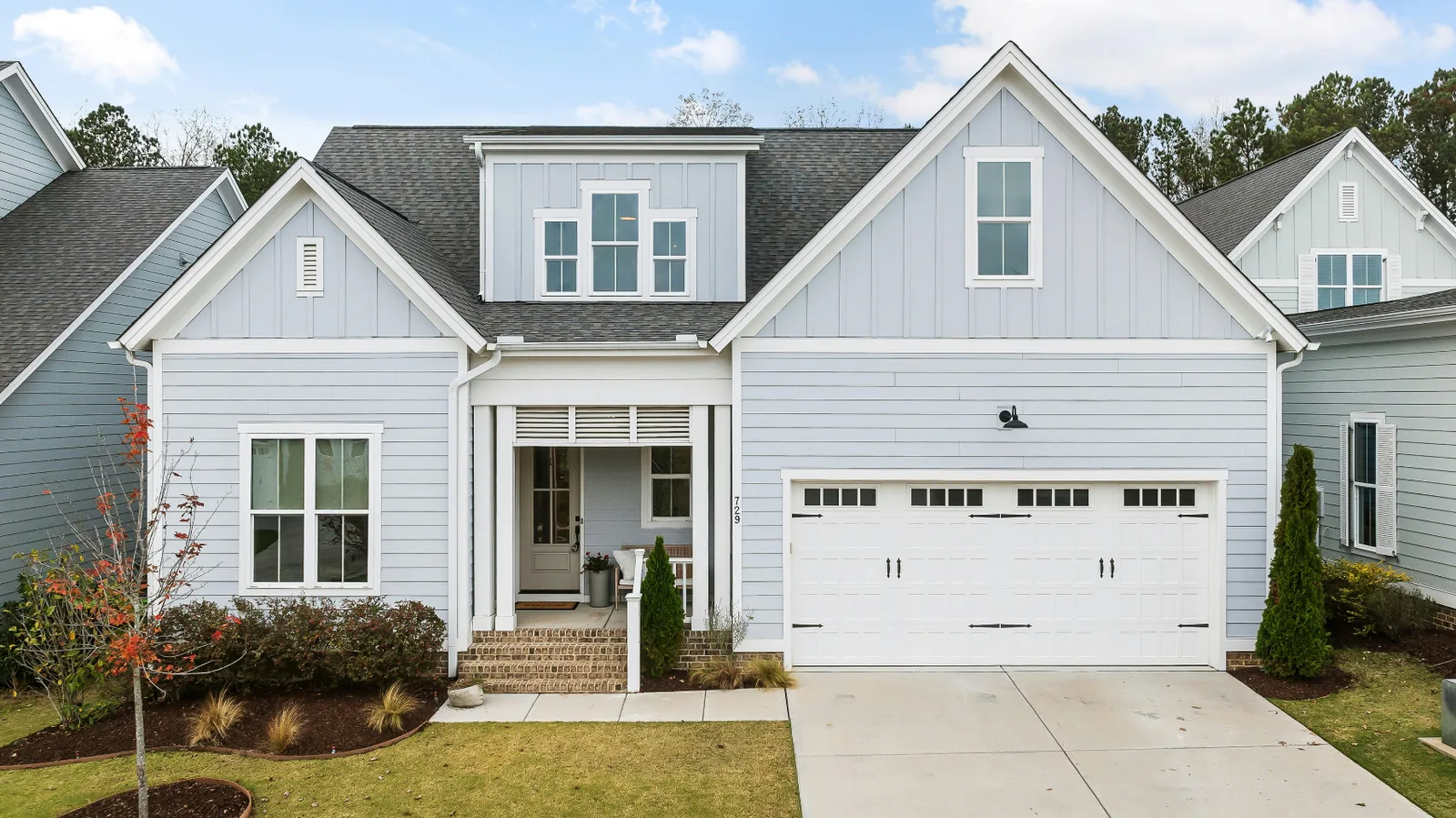
The nomination describes simple gables, cross gables and hip-and-gable roofs. A valley collects runoff from adjoining slopes, so its lining or shingle detail has to suit the chosen system. Worn material or a failed overlap can let water travel below the covering before a stain becomes visible indoors. A steep pitch does not remove the need to inspect those connections.
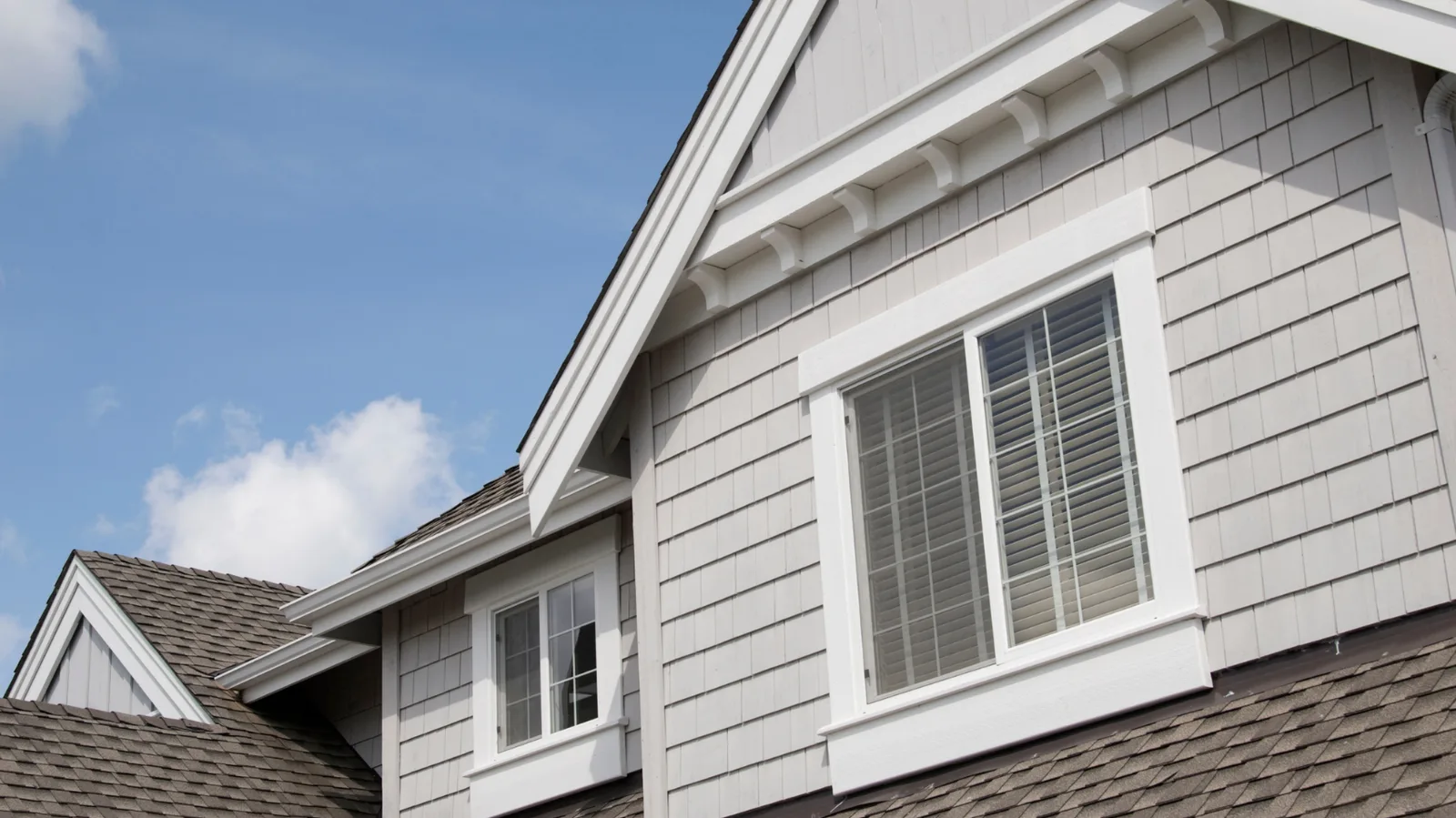
Where a porch roof or addition meets a wall, the flashing must work with the wall's drainage layers. Later siding or roofing work can disturb that relationship. Restoring it may require opening part of the wall covering, checking concealed damage and rebuilding the overlap. Sealant can belong in a specified detail, but it cannot stand in for missing flashing or an incorrectly joined wall and roof.
What tells us the deck, not the shingles, is the question
On a house this age the wood under the roof deserves as much attention as the covering.
- A slope that dips between the rafters when you sight along the ridge.
- Nails backing out in a line, which often follows a board that has split or dried out.
- A roof that has been shingled over an earlier layer instead of stripped.
- Daylight or old water stains visible from the attic side.
- An addition whose roof sits lower than the original and drains toward the house.
These are reasons for further investigation, not a diagnosis from the yard. Accessible roof and attic views help establish the scope; concealed deck or framing conditions may require an authorized opening. A replacement proposal should explain how additional deck work will be identified and priced.
Confirm the review for the address and proposed roof work
For work on a State or National Register property, Lawrence's Historic Resources Administrator determines the review classification. The City generally describes identical-material maintenance and replacement as minor, while changes in material or appearance can require major review. Local listing and its 250-foot context area, or another design overlay, may add a separate review. The permit and historic-review guide keeps the current City paths in one place.
That step does not change what the roof needs. Steep slopes still need a covering rated for them, valleys still need proper metal or a woven detail that suits the shingle, and the deck still has to hold a nail. Settle the appearance question and the water question in the same conversation.
Roof questions from Pinkney
Can you match the old roof so review is simple?
A close visual match is helpful, but it does not decide the review classification. Lawrence generally describes identical-material maintenance and replacement as minor; Historic Resources staff determine the applicable review for the property and scope. Identify the proposed product and any change in profile, color or material before ordering it, and confirm the approval requirements.
The water shows up in the basement, not the ceiling. Is that a roof problem?
Roof runoff can contribute if a gutter overflows or a downspout releases water beside the foundation. Check where that water goes, but do not assume it explains every basement leak. Grading, foundation drainage and other entry paths may need separate investigation alongside any roof or gutter work.
How old is my roof if the house is from the 1880s?
The house date does not establish the current roof's installation date. Look for replacement invoices, permits or warranty records, then compare that history with the visible covering and accessible support. Concealed layers may need further investigation. Condition and viable repair connections matter alongside age when deciding what work is appropriate.
Start with your Pinkney roof
Tell us the street, the room with the stain and anything you know about earlier work on the roof. A roofer walks it for free and tells you what needs doing now and what can wait.