Remove and prepare
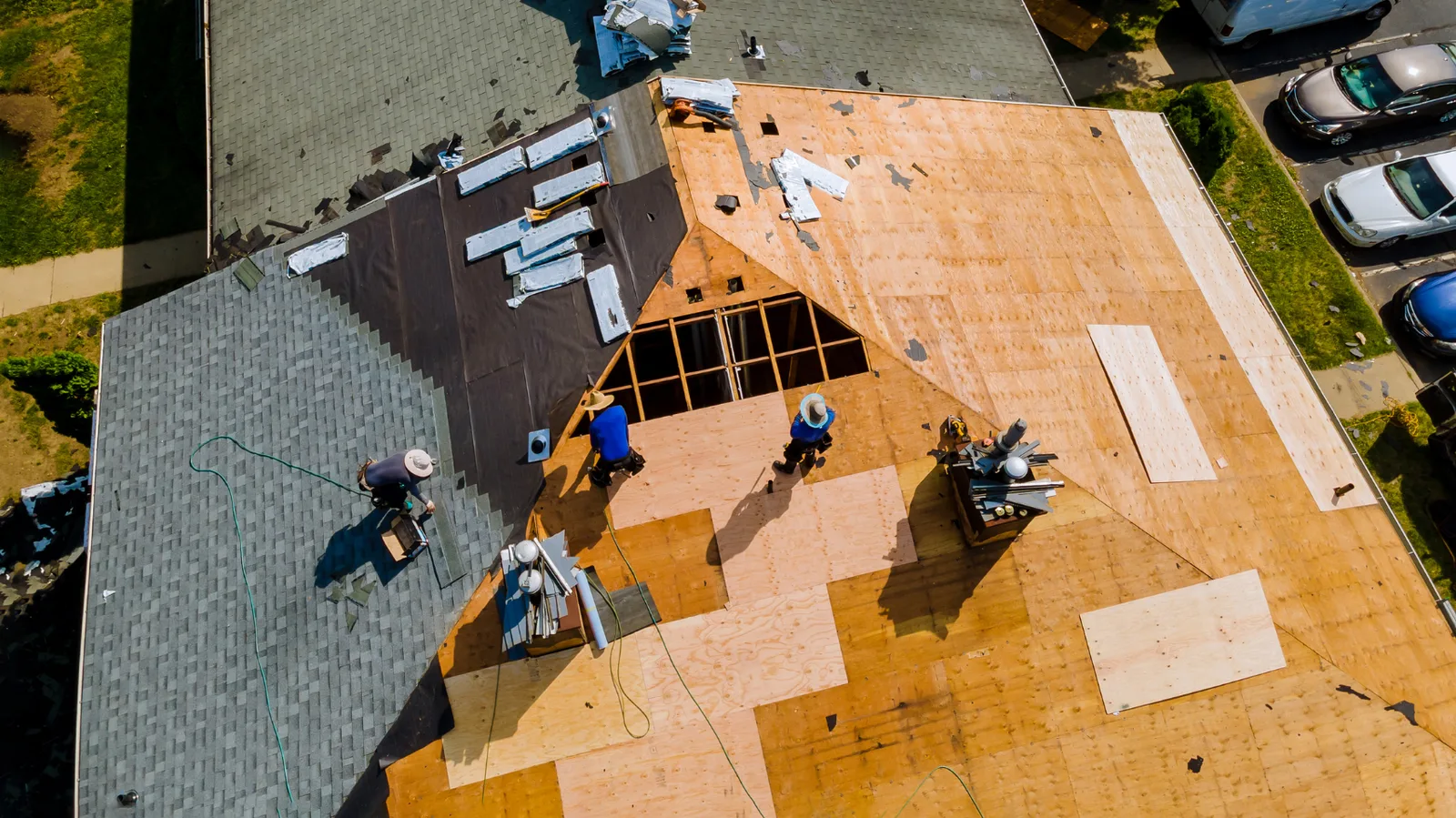
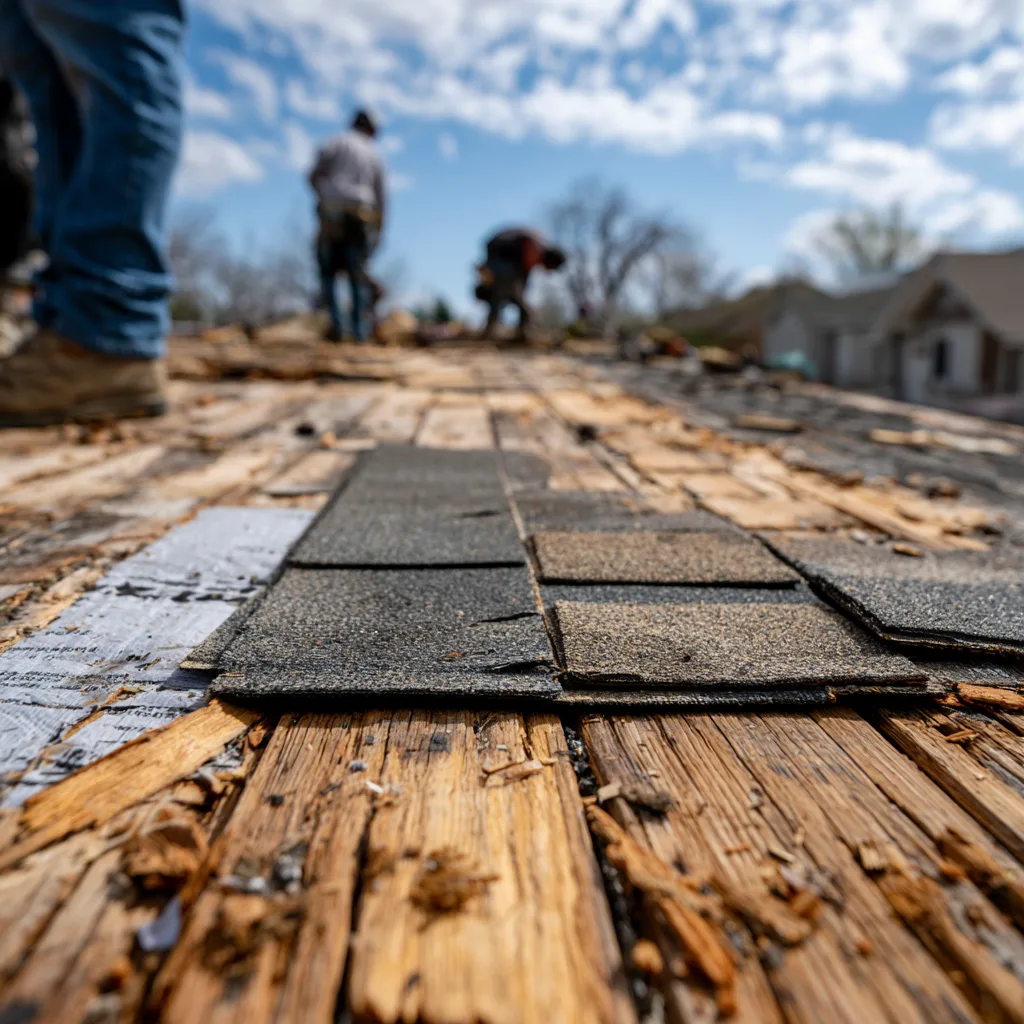
Tear-off exposes the existing base. Old roofing and debris leave the roof before damaged decking is addressed. Additional layers and restricted disposal access change the work involved.
When the covering has stopped supporting dependable repairs, replacement lets the whole roof be put back together properly. Start with a free inspection in Lawrence.
A roof does not need replacement simply because a calendar says so. It does need a larger plan when cracking, failed repairs or deterioration leave too little sound material to connect the next repair. The inspection looks at how far the problem extends and what is underneath the visible covering.
Where the damage stays localized, roof repair remains a useful option. Where it runs across the roof, a replacement lets the deck, water-shedding details and covering be addressed together instead of paying to revisit the same failing assembly.
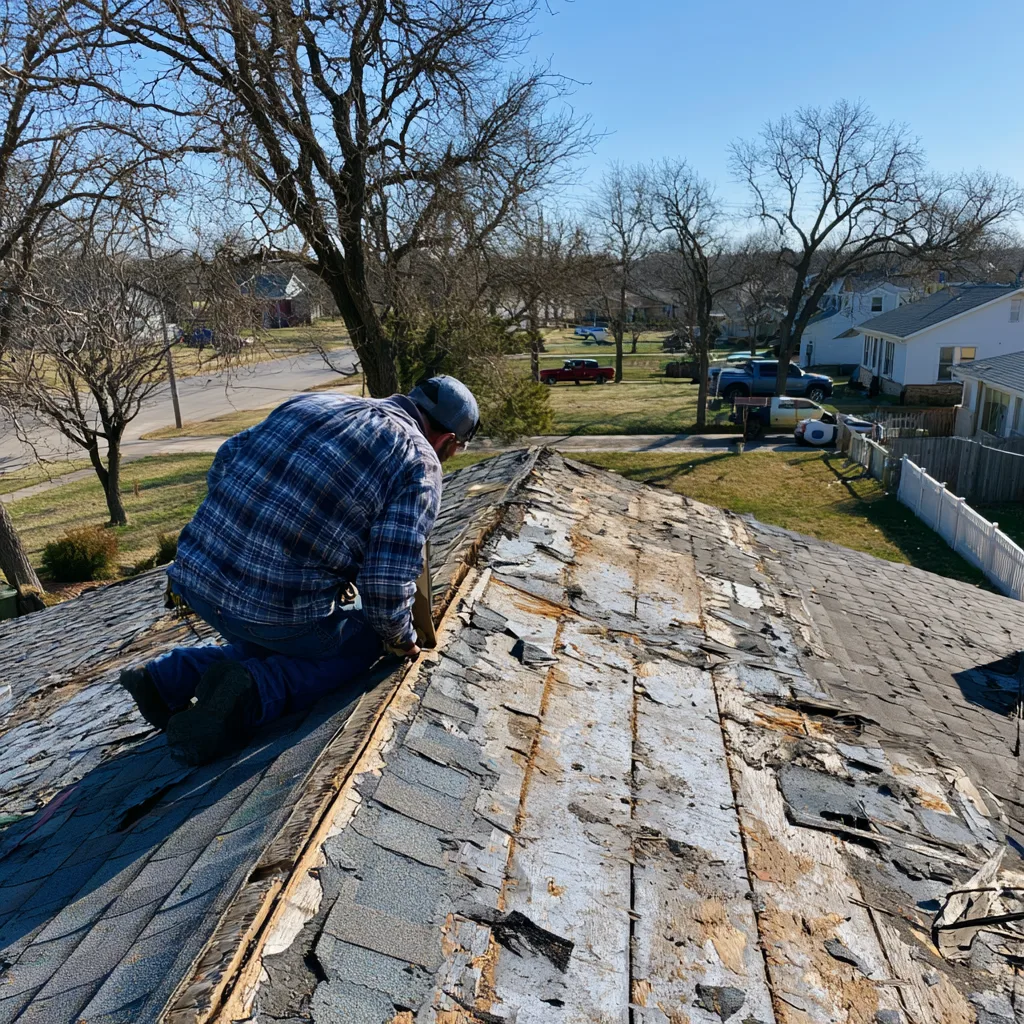
The finished shingles are only the visible layer. A replacement scope describes how the roof will be rebuilt from its supporting surface outward.
Tear-off exposes the existing base. Old roofing and debris leave the roof before damaged decking is addressed. Additional layers and restricted disposal access change the work involved.
Underlayment supports the roof covering. Valleys, edges, pipe boots and wall or chimney flashing need appropriate overlaps and attachments. Reusing a failed connection would leave the old leak path inside a new-looking roof.
The selected roof covering, ridge details and required ventilation form a coordinated system. Cleanup and access arrangements belong in the project scope alongside the materials.
Decking can look acceptable from below a roof covering and still be soft around an old leak. Once tear-off exposes it, damaged sections need replacement so the new fasteners have a sound base. That is a physical requirement, not an optional cosmetic upgrade.
A proposal can explain the approach to concealed damage before it is uncovered. The amount of damaged material cannot always be established from the surface, so allowance and change terms matter to the budget.
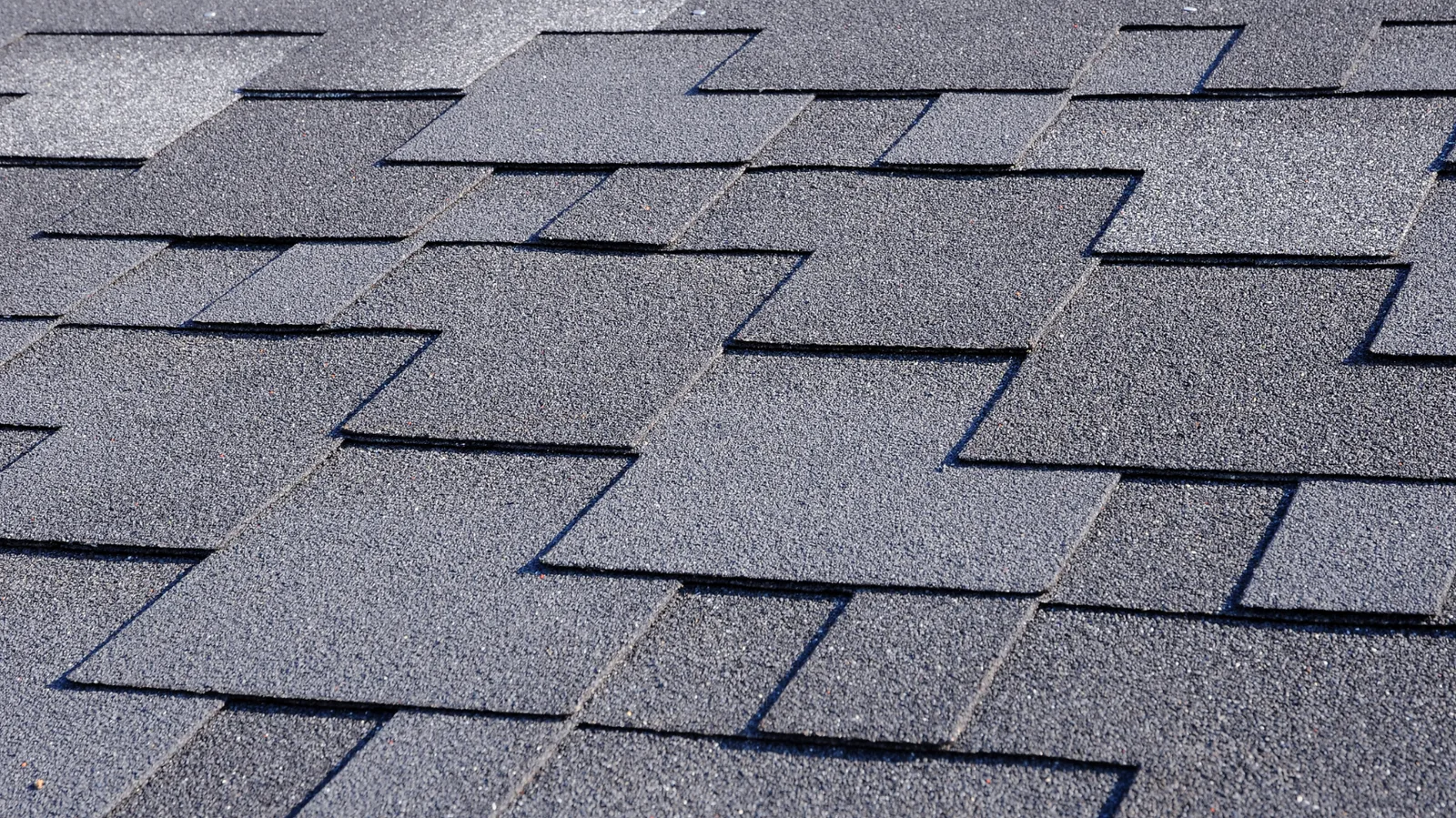
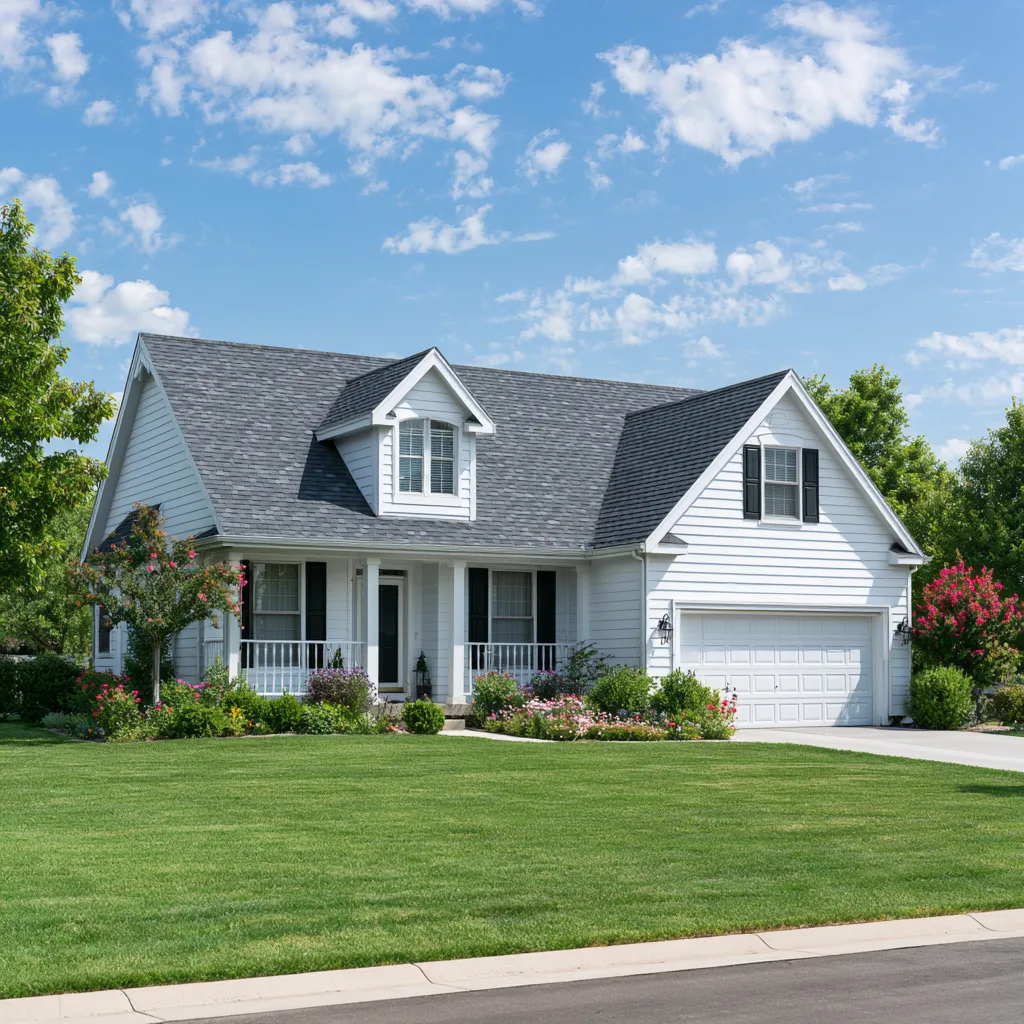
A layered asphalt shingle gives the roof a dimensional look with familiar repair methods. Compare the actual product, ventilation requirements and accessory system rather than assuming every architectural shingle has the same rating.
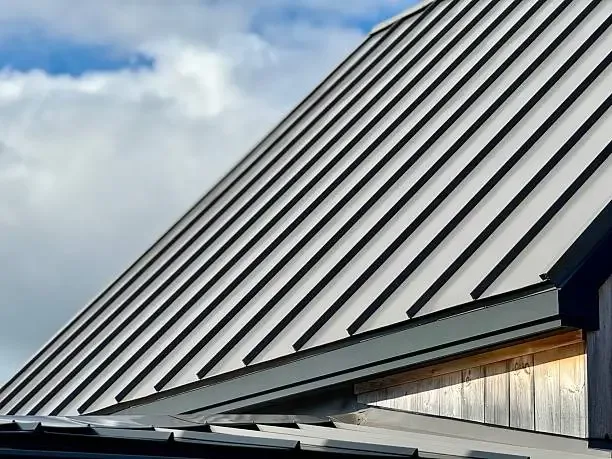
Standing seam and exposed-fastener panels use different attachments and details. A material change can affect flashing, movement, noise expectations and the shape of the finished edges.
Inspection and measurements establish the roof sections, material choice and known details. Access, any approval questions and concealed-damage terms belong here.
The work plan accounts for vehicles, shared entrances, delivery and disposal space. Occupied homes and rentals need those arrangements before tear-off.
Removal, deck work and new roofing are organized around suitable weather and the actual roof. The final schedule depends on scope, access and what is exposed.
The schedule depends on roof size and complexity, weather, access and repairs exposed during tear-off. A simple roof and an occupied building with limited staging space are different projects. The project schedule needs to reflect those conditions rather than a universal day count.
A recover is not automatically the right option. The existing layers, attachment, deck condition, local requirements and manufacturer instructions govern whether it is appropriate. Tear-off gives access to concealed damage and a fresh base for the assembly.
Product coverage and workmanship coverage are different. Terms depend on the selected materials, installation requirements and the contractor’s agreement. A product’s advertised term does not automatically cover every installation problem or every part of the roof.
Whether the roof is already failing or you are budgeting ahead, a free inspection helps put the necessary work before the optional choices.